


Your Bank Will Never Ask for Your Password
July 10, 2026
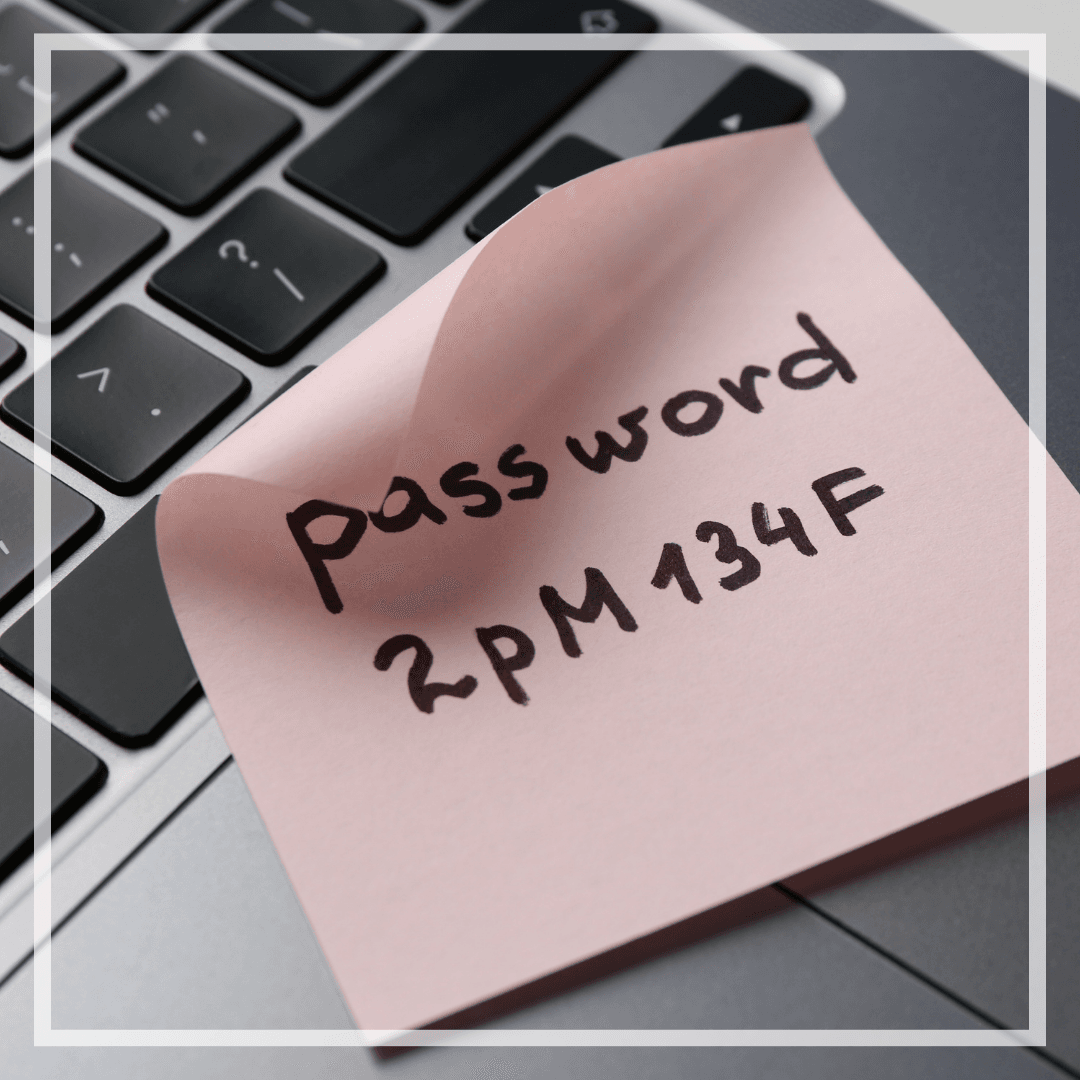
Scammers are getting bolder, and one of their favorite tricks is pretending to be your bank. Your bank will never call you and ask for your password, your login credentials, or a verification code. Not ever.
Learn how these scams work, how to spot trouble fast, and pick up simple steps to protect yourself.
How These Scams Usually Work
Phone scammers count on two things: urgency and trust. They create a sense of panic, then position themselves as the helpful person who can fix it. If they can get you worried enough, you might hand over information you’d normally guard closely.
Many of these calls follow a script. A scammer claims your account has been compromised. They mention suspicious charges to grab your attention. Then they ask you to “verify” your identity by sharing your login details or a code sent to your phone.
Here’s the catch: once they have that information, they can drain your accounts in minutes. The whole call is designed to make handing over your credentials feel like the safe choice. It isn’t.
Real urgency comes from you contacting the bank, not the bank pressuring you over the phone.
Red Flags to Watch For
These scams share common warning signs. Once you know them, they’re much easier to spot.
- They ask for passwords or login details. Your bank already has access to your accounts. We never need your password to help you.
- They request verification codes. Codes sent to your phone are for you alone. Anyone asking you to read one aloud is trying to break into your account.
- They create pressure and panic. Big fake transactions and urgent deadlines are tools to rush you past your better judgment.
- They discourage you from verifying. A legitimate representative welcomes you calling the bank back. A scammer does not.
- They transfer you to a “supervisor.” The handoff is meant to add authority and make the story feel official.
- The caller ID looks official. Scammers can fake phone numbers, so the call appears to come from your bank.
If you notice even one of these signs, treat the call as suspicious.
What to Do If You Get a Suspicious Call
The good news is that protecting yourself is simple. You don’t need any special tools, just a clear plan.
- Hang up. You’re never obligated to stay on a call that feels wrong. Ending it costs you nothing.
- Don’t share anything. No passwords, no codes, no card numbers, no account details.
- Call us directly. Use your bank’s listed phone number, not a number the caller gives you.
- Verify the claim. If there really is a problem with your account, your bank will see it and help you handle it.
- Report the call. Let your bank know what happened so they can warn other customers and watch for patterns.
Calling the bank phone number listed in your statements/ your bank’s business listing is more important than it may seem. Scammers sometimes provide a fake “bank” number that connects you right back to them. Always rely on a source you trust.
When in doubt, hang up, then call the number you already have. That one habit stops most of these scams cold.
The Bottom Line
Scammers will keep trying, but you hold the power to shut them down. Remember that your bank will never call you to ask for your password, login credentials, or verification codes. If a call pushes you to share that information, it’s not your bank!
Contact Us


Rock Springs, WY 82901


© 2026 Commerce Bank of Wyoming, a branch of NebraskaLand Bank. All Rights Reserved.
Commerce Bank of Wyoming is committed to website compliance with the Americans with Disabilities Act. We strive to make our site useful and accessible to everyone. If you have questions or comments regarding the website, please contact us.

